NEWS
New Zealand Kunekune Pigs Help Tend French Vineyard
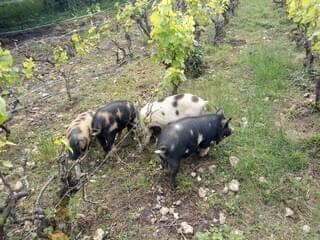
Since a few days ago, Adrien Lainault, a winegrower in Lhomme in the south of Sarthe, has taken on four new small colleagues. The newcomers are Boudeur, Bacon, Boudin and Belphégor, four kunekune pigs from New Zealand. The breed is being used to tend the ground at the foot of the vines.
Lainault manages a modest vineyard that stretches along the gently sloping hills of the Sarthe region. He chose the pigs because the terrain is too narrow for conventional tractors and machines. The animals can move through the rows where equipment cannot reach.
Kunekune pigs are a small, sturdy breed originally developed in New Zealand for pig farming. Their calm temperament and grazing habits make them well suited to weed control and soil aeration. They are also known for their ability to thrive on limited feed.
In the vineyard the pigs graze on low‑lying vegetation, keeping weeds in check without damaging the vines. Their rooting behaviour loosens the soil, improving drainage and root development. Because they work continuously, the farmer can reduce the need for mechanical interventions.
Each pig has been given a distinct name reflecting its personality. Boudeur is described as the most curious, while Bacon prefers to linger near the irrigation lines. Boudin and Belphégor are more reserved, often staying at the vineyard’s outer edge.
Machines cannot navigate the narrow passages between vine rows, especially where the ground is uneven. The pigs’ small size allows them to slip through gaps and negotiate slopes. Their presence also provides a natural, low‑impact method of land management.
Lainault expects the kunekune to become permanent fixtures in the vineyard, contributing to sustainable cultivation. He plans to monitor their impact on vine health and soil quality over the coming seasons. If successful, the model could be replicated in other French wine regions.